
Key Takeaways
- Learning to spot plumbing issues early prevents major damage and expensive repairs.
- Routine maintenance and inspections are the best defense against unexpected problems.
- Addressing small concerns promptly keeps your plumbing system in top shape.
Table of Contents
- Unusual Water Bills
- Slow or Gurgling Drains
- Low Water Pressure
- Water Stains and Mold Growth
- Strange Noises in Pipes
- Discolored or Odorous Water
- Preventive Measures
- When to Call a Professional
- Conclusion
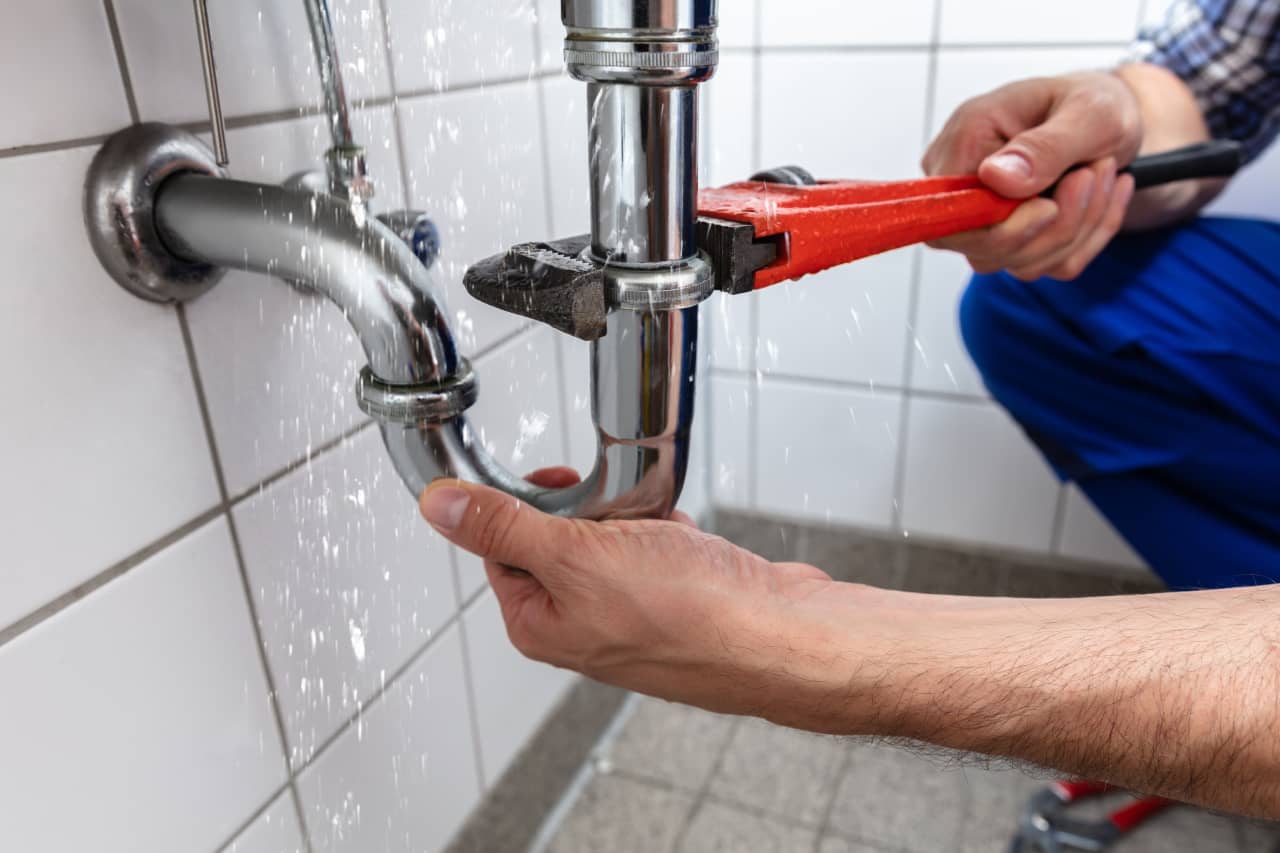
Maintaining a healthy plumbing system is essential for any homeowner. Early detection of plumbing issues can mean the difference between a simple fix and a major repair. In Clearwater, staying ahead of potential problems is as simple as learning to identify warning signs. Consulting a plumber at the right time can help address minor issues before they turn into emergencies.
Understanding the early indicators of plumbing troubles can also enhance your home’s efficiency and prolong its lifespan. Even small leaks or blockages can create significant concerns if left unchecked, leading to water waste and costly repairs down the line. Proactively monitoring your plumbing system provides peace of mind and helps you avoid sudden inconveniences.
It’s important not only to notice visible signs of plumbing problems but also to recognize changes in day-to-day utility use. Subtle indicators, such as fluctuating water bills or unusual sounds, often hint at deeper issues within the system. Regular awareness can not only safeguard your home but also minimize your risk of facing a large-scale problem at the worst possible moment.
For urgent plumbing failures, having access to emergency plumbing services ensures that a professional can respond quickly, preventing water damage and restoring safety as soon as possible.
Unusual Water Bills
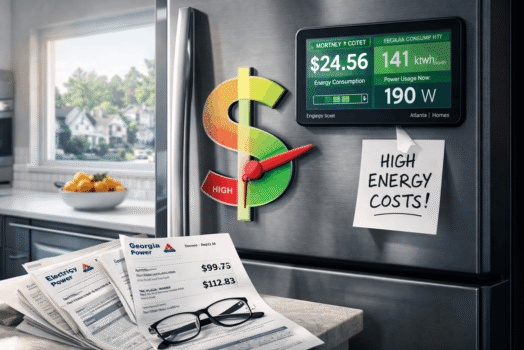
An unexpected increase in your water bill is often the first sign of a problem underground or behind the walls. If your household water usage has remained steady but your bill spikes, you could be dealing with a hidden leak. These leaks may originate from pipes beneath the foundation or within walls, making them hard to detect visually. Tracking your monthly water expenses can help you spot these issues right away. According to the EPA, household leaks can waste nearly 1 trillion gallons of water nationwide each year, so staying alert to sudden billing changes is crucial.
Slow or Gurgling Drains
When water drains more slowly than usual from sinks, tubs, or showers, you may be experiencing the early stages of a blockage. These blockages often occur from the buildup of hair, grease, soap scum, or other foreign objects inside the pipes. Gurgling noises, especially when accompanied by slow drainage, often indicate a vent issue or a forming clog, both of which should be addressed before they lead to complete blockages and backups.
Low Water Pressure
Low water pressure throughout the home can signal several problems, including sediment buildup inside pipes, corrosion, or leaks along the system. An isolated fixture with low pressure may be an individual problem, such as a clogged aerator, but if it is a widespread issue, it usually indicates a more significant concern in the plumbing network. Consistent low pressure should prompt a full inspection to avoid ongoing inconvenience and potential system failure.
Water Stains and Mold Growth
Visible water stains on ceilings, walls, or floors typically indicate a persistent leak from pipes behind the surfaces. These stains may appear yellowish, brown, or dark and might be accompanied by a musty odor. Mold growth is not only a sign of moisture but also poses significant health risks, especially for individuals with allergies or respiratory conditions. Promptly addressing the source of moisture is the best way to minimize health concerns and structural damage. The Centers for Disease Control and Prevention highlight how mold can impact indoor air quality and overall health.
Strange Noises in Pipes
Unusual pipe noises are easy to overlook, but sounds such as banging, whistling, or gurgling often indicate deeper issues within your plumbing. Banging noises, commonly called water hammer, can occur when valves are shut off suddenly and unabsorbed pressure reverberates through the pipes. Other noises may point to air pockets or loose fittings. Ignoring these sounds can lead to pipe damage or even bursts if left unresolved, so it’s best to take action when the noises start recurring.
Discolored or Odorous Water
Changes in water color or smell require swift attention. Yellow or brown water usually indicates rust buildup in older pipes, while a rotten-egg odor could signal bacteria or a problem with the water heater. Cloudy or milky water might be due to trapped air or a disturbance in the water supply lines. Any of these signs indicates the need for an assessment to maintain the safety and basic usability of your household water.
Preventive Measures
To maintain plumbing efficiency and prevent issues, it is essential to arrange for annual inspections. Insulating pipes in unheated areas helps prevent freezing during colder months. Additionally, it is important to be cautious about what is flushed or poured down drains; grease, wipes, and non-degradable materials should be disposed of properly. Monitoring water pressure with a gauge can also be beneficial, as spikes or drops may signal the need for professional evaluation.
When to Call a Professional
For plumbing issues that may seem manageable, certain circumstances necessitate professional help. These include a significant and persistent drop in water pressure, simultaneous clogging of multiple drains indicating a deeper system problem, the appearance of water damage, stains, or mold in the house, and ongoing pipe noises despite basic fixes. Engaging professionals early on helps prevent further property damage and health risks. Timely recognition and proactive management are crucial for ensuring a safe and efficient plumbing system.
Conclusion
In conclusion, staying alert to changes in water bills, drain performance, water pressure, and pipe conditions is essential for maintaining a safe and efficient plumbing system. Early detection of leaks, blockages, or other irregularities can prevent costly repairs, structural damage, and potential health hazards. Implementing preventive measures, such as regular inspections, pipe insulation, and mindful disposal practices, helps protect your home and extend the life of your plumbing. Ultimately, recognizing warning signs and seeking professional assistance when needed ensures both the safety and comfort of your household.