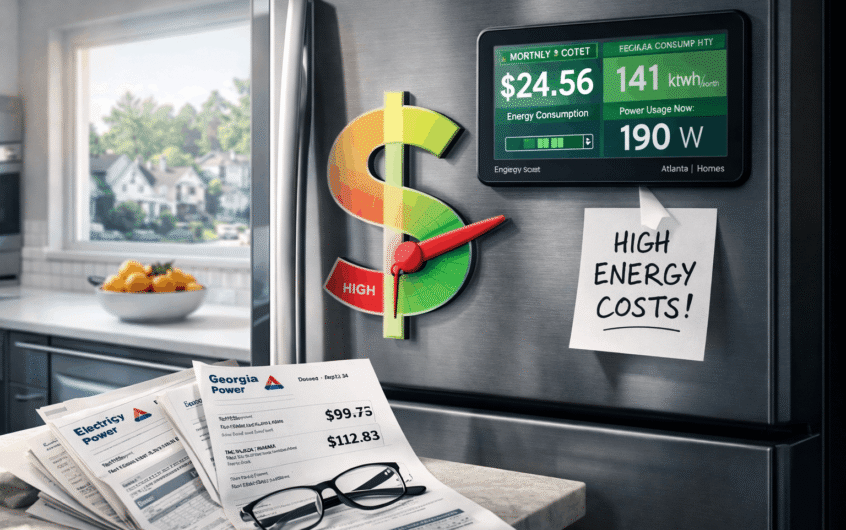

A refrigerator runs 24/7, making it one of the biggest contributors to your household electricity bill. In a city like Atlanta, where high temperatures and humidity put extra strain on appliances, inefficient usage can significantly increase energy consumption over time.
By adopting smarter usage habits and understanding how your refrigerator consumes energy, you can reduce costs without compromising performance. If your appliance is already struggling or consuming more power than usual, seeking expert help through keeping your refrigerator repair running smoothly in Atlanta services can help restore efficiency and prevent long-term issues.
This guide explores practical, expert-backed strategies to help Atlanta homeowners lower refrigerator energy usage and improve overall performance.
Key Takeaways
- Refrigerators are one of the highest energy-consuming appliances in homes
- Small usage habits can significantly reduce electricity costs
- Proper placement and ventilation improve efficiency
- Smart temperature management prevents energy waste
- Regular monitoring helps detect inefficiencies early
- Professional servicing can optimize long-term performance
Why Refrigerator Energy Efficiency Matters?
Energy efficiency is not just about saving money. It directly impacts appliance performance and longevity. An inefficient refrigerator consumes more electricity, experiences higher wear and tear, and is more likely to require frequent repairs.
What are the Benefits of Energy Efficiency?
- Lower monthly electricity bills
- Reduced strain on internal components
- More consistent cooling performance
- Longer appliance lifespan
1. Place Your Refrigerator in the Right Location
The placement of your refrigerator plays a major role in how efficiently it operates. When positioned near heat sources or in poorly ventilated areas, the appliance has to work harder to maintain its internal temperature.
Smart Placement Tips
- Keep the refrigerator away from ovens, direct sunlight, and other heat-generating appliances
- Maintain adequate space between the wall and the refrigerator for proper heat dissipation
- Ensure there is sufficient airflow around the appliance to prevent overheating
2. Avoid Frequent Door Openings
Every time you open the refrigerator door, warm air enters and forces the appliance to work harder to restore the desired temperature. Over time, this leads to increased energy consumption.
Efficient Usage Habits
- Plan what you need in advance to minimize the number of door openings
- Avoid leaving the door open for extended periods while searching for items
- Always ensure the door is fully closed and sealed properly after each use
3. Maintain Consistent Temperature Settings
Incorrect temperature settings can lead to unnecessary energy usage. Setting the temperature too low forces the compressor to run longer, while higher temperatures can compromise food safety.
Recommended Settings
- Set the refrigerator temperature between 37°F to 40°F for optimal performance
- Keep the freezer temperature at 0°F to maintain proper freezing conditions
- Avoid frequent adjustments, as constant changes can increase energy consumption
4. Keep the Refrigerator Moderately Filled
A well-stocked refrigerator retains cold better than an empty one, but overloading can block airflow and reduce efficiency. Finding the right balance is key.
Storage Best Practices
- Keep a moderate number of items inside to help maintain stable internal temperature
- Avoid overcrowding shelves, as it can block airflow and reduce cooling efficiency
- Leave enough space between items to allow proper air circulation throughout
5. Let Hot Food Cool Before Storing
Placing hot food directly into the refrigerator increases the internal temperature, forcing the appliance to work harder to cool it down.
Better Storage Habits
- Allow freshly cooked food to cool down to room temperature before refrigerating
- Store leftovers in covered containers to retain freshness and reduce moisture
- Avoid placing warm or steaming items inside the fridge immediately after cooking
6. Monitor Energy Usage and Performance
A sudden increase in electricity bills can indicate that your refrigerator is not operating efficiently. Monitoring performance helps detect issues early.
Signs of Energy Inefficiency
- The refrigerator runs constantly without cycling off normally
- Noticeable increase in electricity bills without changes in usage habits
- Inconsistent cooling or temperature fluctuations inside compartments
- Excess heat around the appliance indicating overworking components
7. Upgrade or Service When Necessary
Older refrigerators tend to consume more energy compared to newer, energy-efficient models. Regular servicing or upgrading can make a significant difference.
When to Take Action?
- The appliance is over 10–15 years old and showing signs of reduced efficiency
- Frequent repairs are required, increasing overall maintenance costs
- Energy bills continue to rise despite proper usage and maintenance
- Cooling performance declines, affecting food storage and safety
Conclusion
Reducing refrigerator energy costs doesn’t require major changes, just smarter habits and regular attention. From proper placement and temperature management to minimizing door openings and maintaining balanced storage, small adjustments can lead to noticeable savings over time.
For Atlanta homeowners, where environmental conditions can increase appliance workload, focusing on energy efficiency is especially important. And when performance issues arise, timely professional support ensures your refrigerator continues to operate efficiently while keeping your energy costs under control.
Consistently following these practices not only improves day-to-day performance but also reduces unnecessary strain on the appliance. Over time, this leads to fewer repairs, better reliability, and a more sustainable approach to energy usage in your home.
FAQs
Does lowering the temperature save energy?
No, setting the temperature lower than recommended actually increases energy consumption. When the temperature is set too low, the compressor has to run longer and more frequently to maintain colder conditions. This not only raises electricity usage but can also put extra strain on internal components, reducing the appliance’s efficiency over time.
Is it better to keep a refrigerator full or empty?
A moderately filled refrigerator is ideal for maintaining efficiency. Having some items inside helps retain cold air when the door is opened, reducing the need for the appliance to work harder. However, overloading can block airflow and lead to uneven cooling, so maintaining a balanced load is the best approach.
Why is my electricity bill increasing suddenly?
A sudden increase in your electricity bill can indicate that your refrigerator is not operating efficiently. This may be caused by dirty condenser coils, poor door sealing, frequent door openings, or aging components. Identifying and addressing these issues early can help restore efficiency and reduce unnecessary energy usage.
How can I improve refrigerator efficiency quickly?
You can improve refrigerator efficiency by making a few simple adjustments. Start by ensuring the temperature settings are within the recommended range, reduce how often and how long the door is opened, and make sure there is proper airflow around and inside the appliance. Regular cleaning and basic maintenance can also make a noticeable difference.
Do older refrigerators consume more energy?
Yes, older refrigerators are generally less energy-efficient compared to newer models. Over time, components wear out and efficiency declines, causing the appliance to consume more electricity. Newer refrigerators are designed with energy-saving technologies that help reduce power consumption while delivering better performance.